PDF to PowerPoint: turn PDF pages into slides
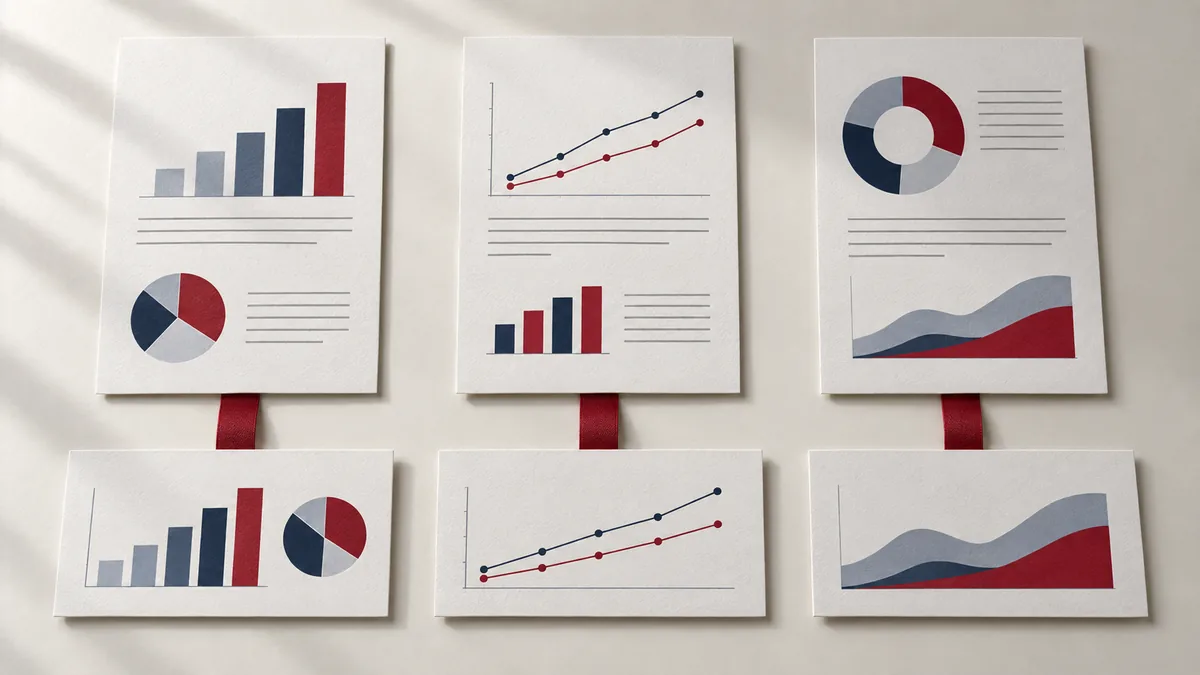
Sometimes you don’t need to “edit” a PDF—you just need to present it. Converting a PDF to PowerPoint turns each page into a slide so you can click through it like a deck.
PDF to PowerPoint converts each PDF page into a slide (preserving the visual layout). This is ideal for presenting, sharing, or adding extra slides before/after the PDF pages.
- When PDF → PowerPoint is useful
- Step-by-step: convert pages to slides
- Tips for presenting and editing
- Real-world use cases for turning PDF pages into presentation slides
- Expert tips that save rework
- Is it safe to upload your files?
- Online tool vs desktop software — which should you use?
- Frequently asked questions
- What to do next
When PDF → PowerPoint is useful
- You received a PDF report but need to present it in a meeting
- You want click-through navigation (slide deck format)
- You want to add title/summary slides around the PDF content
Step-by-step: convert pages to slides
- Open PDF to PowerPoint.
- Upload your PDF.
- Download the generated
.pptxfile. - Open it in PowerPoint (or Google Slides) and review slide order and clarity.
Tips for presenting and editing
1) Add overlays instead of rebuilding
If you need to adjust a number or add a label, add a new text box on top of the slide. This is often faster than trying to rebuild the entire PDF layout.
2) Use high-quality source PDFs
If the PDF is blurry or low-resolution, slides will look blurry too. Whenever possible, use an original export (not a compressed scan).
3) Need handouts? Export back to PDF
After you add slides or notes, you can convert the deck back using PowerPoint to PDF. For best practices, see PowerPoint to PDF export.
4) Consider file size
Slide decks with many page images can become large. If you need to email the deck or a PDF export, use Compress PDF after exporting.
Real-world use cases for turning PDF pages into presentation slides
Converting pdf to powerpoint is rarely about the feature alone. It is about getting to slides that preserve page visuals closely enough to present without rebuilding the deck.
Business and operations
A team may receive a client or vendor PDF deck and need to present it in a slide-based meeting workflow. That matters because the recipient gets a format they can open and review without asking for the source app or original file.
Student projects
A student can convert PDF handouts or poster pages into slides for class presentation or revision. That is useful when the portal or reviewer expects a specific format and layout has to stay predictable.
Legal and admin work
Administrative teams sometimes need static PDF pages inside a slide deck for briefings or review sessions. That helps preserve a cleaner handoff because the document arrives in a format built for stable viewing and printing.
Freelancer delivery
Consultants use PDF-to-PowerPoint when they need to discuss or annotate an existing PDF presentation in slide format. That gives clients a version they can read quickly without accidentally editing the working file.
Personal paperwork
People also convert instruction packets or informational PDFs into slides when they want a presentation-style walkthrough. That turns loose images or office files into one clearer document that is easier to upload, print, or store.
Expert tips that save rework
Conversion problems rarely come from the click itself. With pdf to powerpoint: turn pdf pages into slides, the real risk is source-file quirks, print settings, or layout drift that no one notices until the output is already shared.
- Treat the slides as page captures unless proven otherwise: Most PDF-to-PowerPoint workflows preserve appearance first. That is useful for presentation, but it does not automatically mean every element is cleanly editable.
- Pick a DPI that matches the screen size: Too low and the slide looks soft when projected. Too high and the deck becomes unnecessarily heavy. Match the output to where the slides will be shown.
- Check wide and text-heavy pages first: Those are the pages that most often reveal scaling issues after conversion. A quick look at the most difficult slides tells you how the whole deck will behave.
- Keep the original PDF nearby: If a detail looks wrong on a converted slide, the PDF is your reference for what the page was supposed to look like.
- Use conversion to accelerate review, not replace design judgment: If the final deck must feel polished and editable, conversion saves time but still may need manual cleanup.
One final pass over page-to-slide conversion, aspect ratio, image clarity, and cleanup needed before presenting will catch most of the problems that create resend requests later.
Is it safe to upload your files?
Questions about converting PDF to PowerPoint usually come down to three things: encryption in transit, how long the files exist on the service, and whether the provider does anything with the contents beyond the job you requested. PDFMaple processes uploads and downloads over HTTPS/TLS, so the transfer itself is protected while the task runs. That is the practical baseline people want when the documents include things like client decks, old handouts, archived presentations, and slide-like reports. This matters even more in pages to slides cases, where small workflow mistakes are easier to miss.
Files are processed on our server to create your output. Ordinary conversion workspaces are removed after the response; interactive editing needs temporary session storage. Read the file retention and privacy details before uploading sensitive documents.
Online tool vs desktop software — which should you use?
An online workflow is usually the better choice when the task is short, you do not want to install anything, or you are away from your usual machine. It is especially convenient on shared computers, on mobile, or when you only need this exact job once. For converting PDF to PowerPoint, that usually means an online tool is enough when the task is occasional and deadline-driven. That is especially true when the job is pages to slides rather than a broad recurring workflow.
Desktop software such as Adobe Acrobat earns its place when the work involves heavier slide editing, template application, and batch conversion work. That kind of control is hard to justify for a quick fix, but it matters when the same document task shows up every day or under strict compliance rules.
- Fast fixes without a longer software setup
- Works when you are not on your main computer
- Simple handoff for occasional tasks
- Convenient for quick review-and-send jobs
- Complex editing beyond the immediate task
- Managed enterprise or compliance setups
- Heavier production workflows
- Situations where local-only control is required
Frequently asked questions
Will the content be editable in PowerPoint?
Often, pages are placed as images on slides to preserve layout. You can add new text and shapes, but the original page content may not be editable as native PowerPoint elements. Open the converted output and compare the pages most likely to drift—tables, slide layouts, page breaks, or image-heavy sections—before you rely on it.
How many slides will I get?
Typically one slide per PDF page. The real limit is usually the file size, complexity, and connection speed rather than a simple number alone.
Does this keep the exact layout?
Image-based conversion is usually the most layout-accurate approach. Always review the generated deck before presenting. Open the converted output and compare the pages most likely to drift—tables, slide layouts, page breaks, or image-heavy sections—before you rely on it.
What if I need a truly editable version?
If you need editable text and shapes, the best source is the original PPTX or the original document used to create the PDF. Otherwise, you may need to recreate parts manually. Open the converted output and compare the pages most likely to drift—tables, slide layouts, page breaks, or image-heavy sections—before you rely on it.
Will PDF to PowerPoint make my slides fully editable?
Not always. Many conversions preserve the page visually first, which is great for presenting but not identical to recreating native PowerPoint objects. If deep editing matters, expect some manual cleanup after the conversion.
What DPI should I use for PDF to PowerPoint?
Use a DPI that matches the display context. A deck viewed on standard screens does not need the same image detail as one projected on a large display or printed as handouts. Higher DPI can improve sharpness, but it also makes the file heavier.
What to do next
Once this part is done, the workflow normally shifts to editing the slide deck, re-exporting it, or using slides in a live presentation. Use the links below if that is what you need next.