PDF to JPG: export PDF pages as images (DPI explained)
If you’re dealing with client documents, school submissions, or internal reports, small PDF issues can turn into big delays. The good news: tasks like PDF to JPG are predictable and repeatable. This guide walks you through a reliable workflow using PDFMaple’s PDF to JPG tool.
When to use PDF to JPG
- Share individual PDF pages as images in chat apps.
- Upload PDF pages where only images are accepted.
- Create thumbnails or previews from a PDF.
- Extract pages for design mockups or annotations.
Step-by-step: PDF to JPG in PDFMaple
- Open PDF to JPG and upload your PDF.
- Choose a DPI (e.g., 150 for normal use, 300 for high quality).
- Run the tool to export each page as an image.
- Download your images and rename them if needed.
Pro tips for better results
- Higher DPI produces sharper images but larger files.
- Use 150 DPI for web, 300 DPI for print or zoom-heavy work.
- If you only need a few pages, extract those pages first to speed up conversion.
- After exporting, you can reassemble images into a PDF using JPG to PDF.
Real-world use cases for PDF to JPG
The practical question is not whether the tool runs. It is whether the result is images that are crisp enough for the intended use without exploding file size.
Business and operations
A team may need a single report page as an image for a slide deck, email update, or messaging app where a full PDF is awkward. That matters because the recipient gets a format they can open and review without asking for the source app or original file.
Student projects
A student can turn one PDF page into an image for notes, a presentation, or a study sheet. That is useful when the portal or reviewer expects a specific format and layout has to stay predictable.
Legal and admin work
Administrative teams sometimes export signature pages or record excerpts as images for reference systems that do not accept PDF uploads. That helps preserve a cleaner handoff because the document arrives in a format built for stable viewing and printing.
Freelancer delivery
Designers and consultants often need PDF pages as JPGs for proposals, mockups, or online portfolio thumbnails. That gives clients a version they can read quickly without accidentally editing the working file.
Personal paperwork
People may export a boarding pass, map, or confirmation page as an image when it is easier to access quickly from a phone gallery. That turns loose images or office files into one clearer document that is easier to upload, print, or store.
Expert tips that save rework
Conversion problems rarely come from the click itself. With pdf to jpg: export pdf pages as images (dpi explained), the real risk is source-file quirks, print settings, or layout drift that no one notices until the output is already shared.
- Choose DPI based on use, not guesswork: Low DPI is fine for quick previews, but printed or presentation-sized images need more detail. Pick the resolution for the actual destination of the image.
- Export only the pages you need: Converting a 60-page PDF to images when you only need page 3 wastes time and storage. Page selection matters here.
- Watch text sharpness: Fine text and thin lines are the first elements to blur when the DPI is too low. Check those areas before you send the image onward.
- Keep the original PDF too: An image is useful for reuse, but the PDF often remains the better archival copy. Treat the JPG as a derivative, not the only master.
- Use PNG when crisp UI or diagrams matter: If you only need a page image and the content is full of sharp lines or screenshots, another image format may preserve edges better than JPG. Match the format to the content type.
One final pass over DPI, text sharpness, and whether the export target is web, slides, or print will catch most of the problems that create resend requests later.
Is it safe to upload your files?
Questions about exporting PDF pages as JPG images usually come down to three things: encryption in transit, how long the files exist on the service, and whether the provider does anything with the contents beyond the job you requested. PDFMaple processes uploads and downloads over HTTPS/TLS, so the transfer itself is protected while the task runs. That is the practical baseline people want when the documents include things like slide snapshots, page previews, documentation images, and web graphics. This matters even more in dpi cases, where small workflow mistakes are easier to miss.
Once the output is created, the uploaded files and generated results are meant to be removed automatically, and PDFMaple does not use document contents as a data asset to sell or retain. The detailed policy is in the Privacy Policy. That matters most for files such as slide snapshots, page previews, documentation images, and web graphics.
Online tool vs desktop software — which should you use?
For most one-off jobs, the browser is the fastest path because the file can be fixed and downloaded without a longer software setup cycle. That matters most when you are on a borrowed machine, a phone, or a laptop that does not have Acrobat installed. For exporting PDF pages as JPG images, that usually means an online tool is enough when the task is occasional and deadline-driven. That is especially true when the job is dpi rather than a broad recurring workflow.
Desktop software such as Adobe Acrobat earns its place when the work involves precise DPI control, color management, and repeated export jobs. That kind of control is hard to justify for a quick fix, but it matters when the same document task shows up every day or under strict compliance rules.
- One task, one result, no install
- Useful on shared or borrowed devices
- Quick enough for phone and tablet work
- Good when the file just needs to move forward
- Bulk processing and repeatable office routines
- Offline handling on managed devices
- Advanced editing, validation, or production control
- Regulated workflows with stricter policies
Frequently asked questions
What does DPI mean?
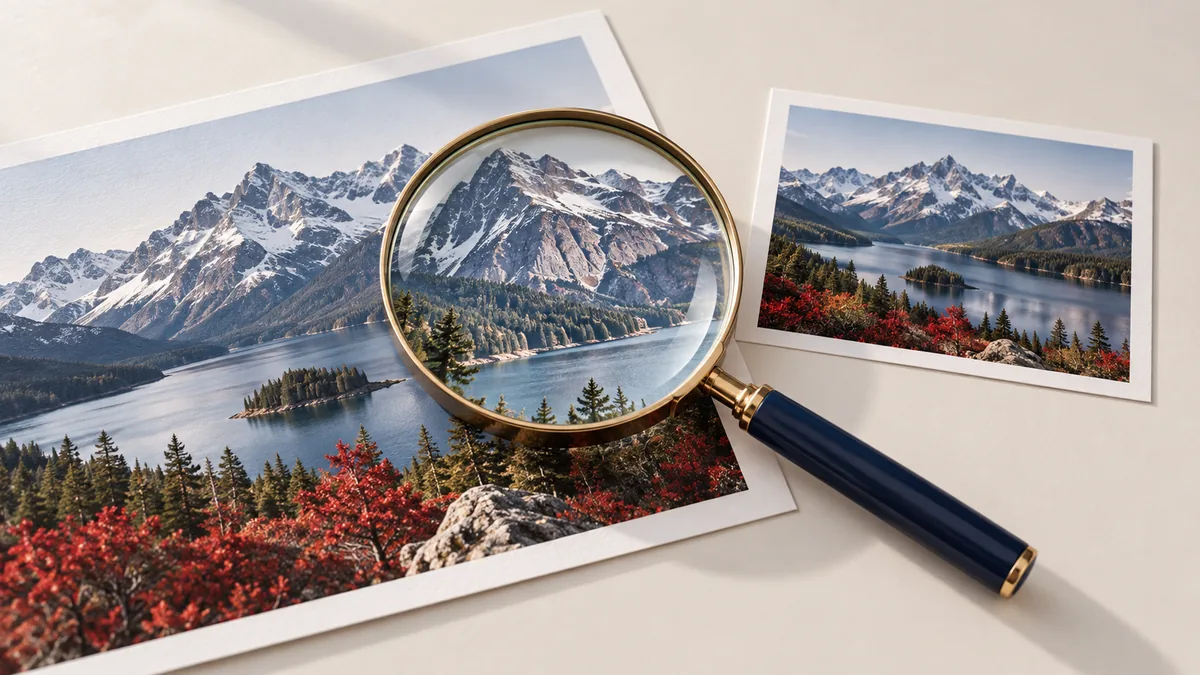
DPI (dots per inch) controls image resolution. Higher DPI = more detail and larger file size. Open the converted output and compare the pages most likely to drift—tables, slide layouts, page breaks, or image-heavy sections—before you rely on it.
Will text stay selectable after converting to JPG?
No. JPG output is an image; text is no longer selectable. Open the converted output and compare the pages most likely to drift—tables, slide layouts, page breaks, or image-heavy sections—before you rely on it.
Can I convert only one page?
Exporting usually converts all pages. If you only need one page, extract that page first, then convert. Open the converted output and compare the pages most likely to drift—tables, slide layouts, page breaks, or image-heavy sections—before you rely on it.
What DPI should I choose when I convert PDF to JPG?
For quick screen use, a moderate DPI is often enough. For printing, zooming, or slide projection, you usually want more detail. The safest choice is to start with the intended use case rather than a random number.
Does converting PDF to JPG make the page easier to edit?
It makes the page easier to place inside other layouts, but it does not turn the content into editable text. Once a page becomes an image, it behaves like a picture rather than a document. That is great for reuse, but not for rewriting the text.
Will PDF to JPG preserve transparency or links?
No. A JPG is a flat image export of the page appearance. Interactive PDF features such as links, selectable text, or form behavior do not carry over.
What to do next
After exporting PDF pages as JPG images, the next step is usually using the images in slides, web content, or a design workflow. The links below cover the most common follow-up moves for this workflow.