JPG to PDF
Convert JPG to PDF online. Combine images into one PDF in the correct order for printing, sharing, or recordkeeping.
Files are sent to PDFMaple’s server when you run processing or export. Some previews and page edits run on your device. File handling and retention
1 Select your files
2 Process & download
Learn more about JPG to PDF
What a good image-to-PDF result looks like
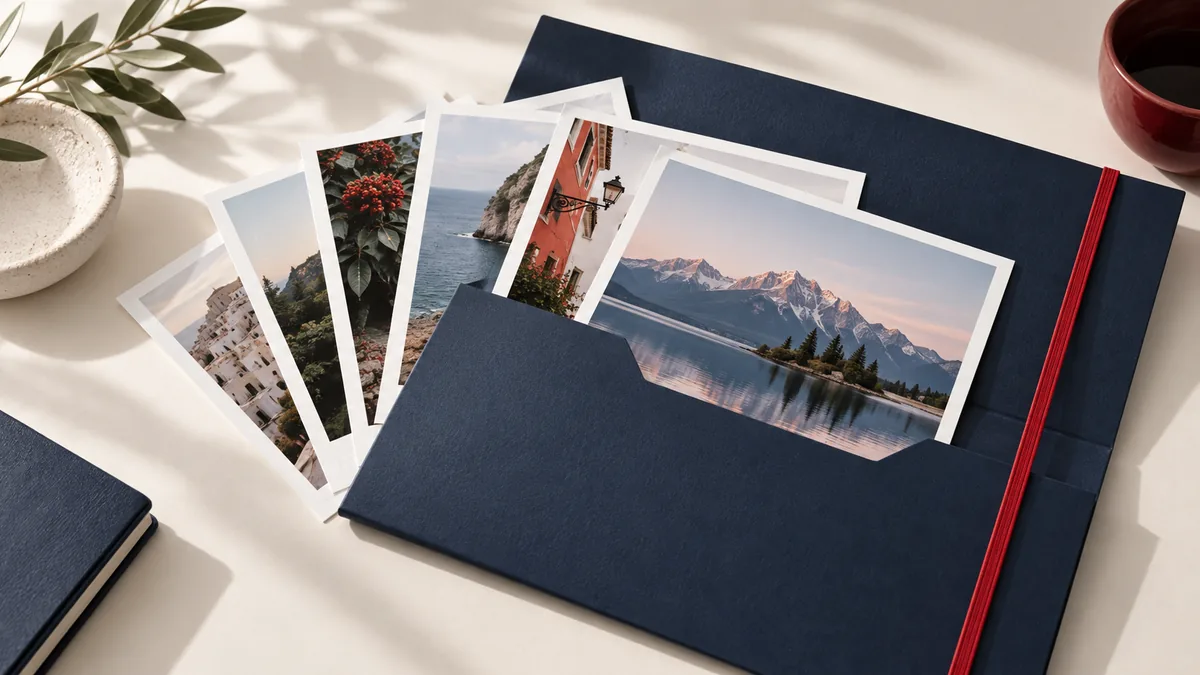
JPG to PDF is for turning loose images into one document that is easier to share, store, and print. The best result is a PDF with the right page order, sensible orientation, and image quality that stays readable without becoming unnecessarily huge.
This matters for photographed forms, scanned receipts, class notes, portfolios, mobile captures, and any workflow where the source material exists as images instead of a single document file.
When JPG to PDF is the right workflow
- Turn phone photos, scans, or screenshots into one easy-to-share PDF file.
- Create a printable document from several images in the correct page order.
- Bundle receipts, notes, or photographed forms into a single PDF for records.
Use this tool when the pages are already captured and the main job is packaging them into one document. It saves time because you do not need to rebuild the material in Word or another authoring app just to create a shareable PDF.
How to assemble image pages cleanly
- Upload one or more JPG images in the order you want them to appear as pages.
- Confirm image order and orientation so the final PDF reads top to bottom without surprises.
- Click Run tool and let processing finish without closing the tab mid-task.
- Open the new PDF and verify that image order, orientation, and page clarity still look right.
For image-based PDFs, page order and orientation are the real quality controls. If those two are correct, the resulting PDF usually feels intentional even when the inputs came from a phone or scanner.
Visual checks before you share or print
- Make sure portrait and landscape images are oriented the way a reader expects before you convert them.
- Review the sequence carefully if the images came from a camera roll, because filenames do not always match the intended page order.
- Zoom in on photographed text pages to confirm they are readable enough for the real use case.
Image-based documents often look acceptable at fit-to-screen size and then fail at normal zoom or on paper. Review at a practical zoom level instead of assuming the output is fine because the thumbnails look neat.
Image-to-PDF mistakes that hurt readability
- Combining images straight from a phone without checking whether one page is sideways or out of order.
- Using very low-quality screenshots or heavily compressed photos when the PDF needs to be printed or archived.
- Ignoring file size until after conversion, even though a few oversized phone photos can create a surprisingly large PDF.
If the result feels heavier than expected, go back to the image sources or compress the final PDF once. Repeated image conversion is rarely the best way to fix a size problem after the fact.
Quality and file-handling notes
Photos can capture more than the intended page, including table edges, desk surfaces, or personal items around the document. Review every page before sharing so the PDF contains only the material you mean to publish or send.
Source quality determines almost everything here. Well-lit images with square alignment convert cleanly; rushed captures with shadows, blur, or perspective distortion tend to stay messy even after they are packaged neatly into a PDF.
A practical document check
Arrange phone photos of receipts in reading order before conversion. Camera filenames may not follow the intended document sequence.
Limits to account for
A PDF container cannot restore blurry characters or make photographs searchable. Retake images with glare, shadows or clipped edges.
Verify the downloaded copy
Inspect every output page, including margins and orientation. Make sure the smallest characters remain readable at the intended display size.
For another worked-through workflow, read jpg to pdf for printing. See the file handling and retention details before uploading sensitive documents.