PDF to JPG
Convert PDF to JPG online and export each page as an image in a ZIP for previews, reuse, or web publishing.
Files are sent to PDFMaple’s server when you run processing or export. Some previews and page edits run on your device. File handling and retention
1 Select your files
2 Process & download
Learn more about PDF to JPG
What useful page-image exports should give you
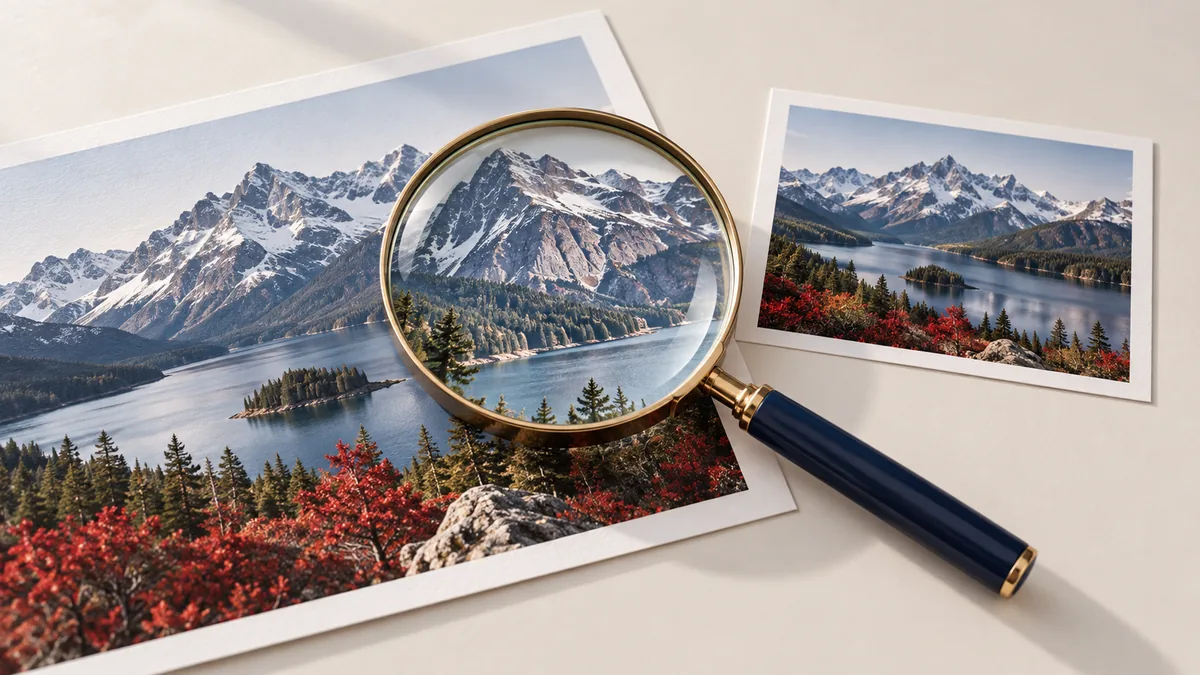
PDF to JPG is for the moments when pages need to become standalone images rather than remain a document. A good result gives you page files that are sharp enough for the intended use, named predictably, and easy to drop into slides, websites, previews, or design reviews.
This is common when you need thumbnails, page snapshots, social share images, presentation inserts, or quick visual proofs without sending the full PDF.
When PDF pages work better as images
- Export PDF pages as images for previews, thumbnails, or presentations.
- Reuse individual pages in design comps, documentation, or web content.
- Share page snapshots quickly when an image format is more convenient than PDF.
Use image export when the recipient cares about seeing the page, not editing or printing the original PDF. It is a practical choice for previews and reuse in environments where image files are easier to handle than documents.
How to export pages for the real destination
- Upload the PDF whose pages you want to export as separate images.
- Choose quality or DPI settings that fit your use case, especially if the images are for print.
- Click Run tool and let processing finish without closing the tab mid-task.
- Review the exported JPG files and rename or sort them if you plan to send only selected pages.
The real decision is output quality. Choose a resolution that fits the destination, because exporting unnecessarily huge JPGs slows everything down while tiny ones quickly become unusable.
Image checks before you reuse the output
- Open a few page images at actual viewing size to confirm text and line work are still readable.
- Check page order and filenames if the images will be handed off to someone else or imported into another system.
- Review pages with charts, small labels, or photos to make sure the chosen resolution fits the use case.
Not every page needs the same level of detail, but the weakest important page usually decides whether the export is good enough. Review the most demanding page, not just the cleanest one.
PDF-to-image mistakes that waste time
- Exporting at very low quality for convenience and then discovering the images are unusable in slides or on the web.
- Generating extremely large JPGs when the destination only needs previews or reference snapshots.
- Assuming image export is appropriate for documents that really need to stay searchable and printable as PDF.
If the result will be reviewed or published, decide upfront whether image export is truly the right format. Sometimes a reduced PDF or extracted page subset solves the problem with less loss of context.
Resolution and reuse notes
Once a PDF page becomes a JPG, it stops behaving like a document page and starts behaving like an image asset. That is useful for reuse, but it also means you lose conveniences such as search, selectable text, and easy page-level metadata.
If the source PDF is sensitive, treat the exported JPGs with the same care. A single page image is often easier to forward, embed, or post than the original document, which increases the need for a careful review.
A practical document check
Export page images for a presentation or a destination that accepts JPG but not PDF. Choose quality for the actual viewing or printing size.
Limits to account for
JPG does not retain selectable text or working links. Higher resolution cannot recreate detail missing from the source scan.
Verify the downloaded copy
Extract the downloaded archive when needed and compare image count with PDF page count. Inspect fine lines outside the thumbnail view.
For another worked-through workflow, read pdf to jpg export dpi. See the file handling and retention details before uploading sensitive documents.