How to sign a PDF online: create a signature and place it
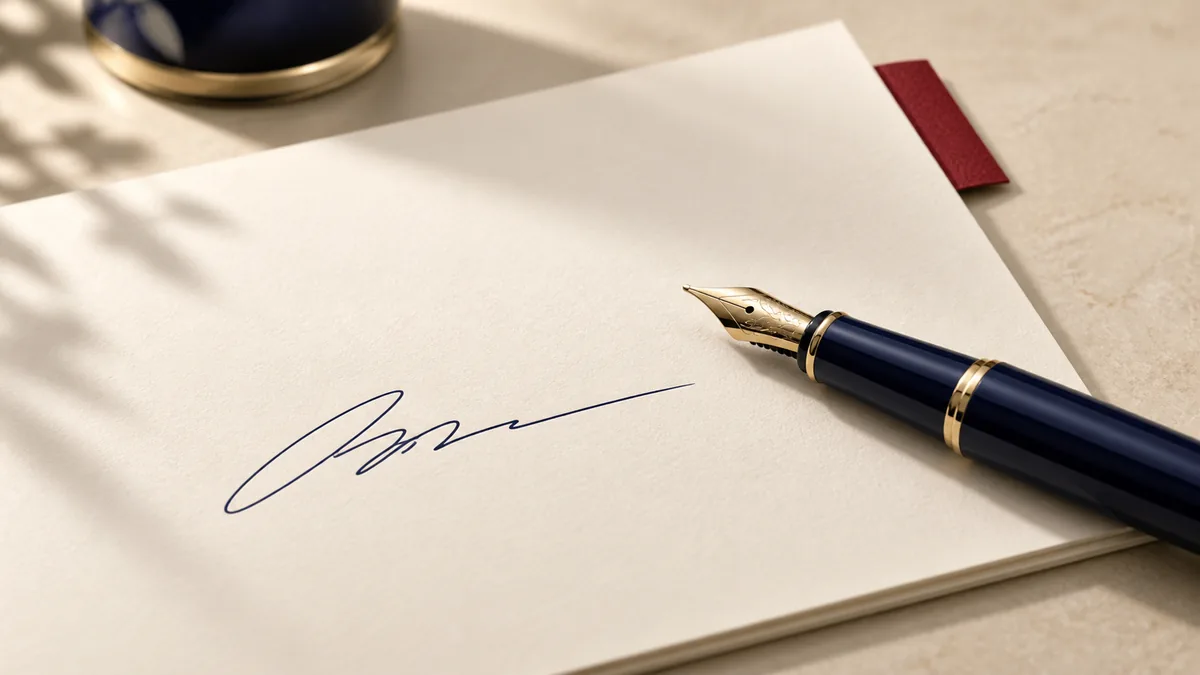
If you’re dealing with client documents, school submissions, or internal reports, small PDF issues can turn into big delays. The good news: tasks like sign a PDF are predictable and repeatable. This guide walks you through a reliable workflow using PDFMaple’s Sign PDF tool.
When to use Sign PDF
- Add a signature to a contract or agreement.
- Sign school forms and HR documents without printing.
- Approve invoices or purchase orders with a signature stamp.
- Place an initial or signature on a specific corner.
Step-by-step: Sign PDF in PDFMaple
- Open Sign PDF and upload your PDF.
- Upload a signature image—or leave it empty if you saved a signature in Dashboard → Signatures.
- Choose the page number and position (top-left, bottom-right, etc.).
- Run the tool and download the signed PDF.
Pro tips for better results
- Use a transparent PNG signature for the cleanest look.
- Place signatures away from important text—bottom-right often works well.
- Remember: this is a visible stamp, not a cryptographic digital certificate signature.
- Protect the signed PDF with a password if you’re emailing it externally.
Real-world use cases for sign a PDF online
Most problems in this workflow appear after the file leaves your screen. A good outcome here is a signed copy where the signature is placed correctly and the final file is easy to send back.
Business and operations
Teams sign approvals, internal sign-off sheets, and lightweight agreements without slowing the workflow down with printing. That keeps the handoff tighter because access controls are applied before the document reaches inboxes, shared drives, or client threads.
Student projects
Students may sign internship forms, permission slips, or submission declarations when a digital signature is acceptable. That matters because the file often contains personal information and still has to reach the reviewer without creating avoidable access problems.
Legal and admin work
Administrative processes often need signatures in the right place on the right version, even when the document is otherwise simple. That supports cleaner recordkeeping because the protected copy is the one that actually leaves the office or enters the portal.
Freelancer delivery
Freelancers regularly sign scopes of work, invoices, NDAs, and other routine agreements from a laptop or phone. That gives the client a cleaner, more controlled handoff instead of a sensitive file moving around unprotected.
Personal paperwork
People sign rental forms, consent pages, and other ordinary PDF documents when a full print-scan cycle is unnecessary. That reduces exposure in ordinary digital channels where sensitive personal documents are often shared more casually than they should be.
Expert tips that save rework
Security workflows fail less often on the encryption step than on the handoff around it. With how to sign a pdf online: create a signature and place it, the checks that matter most are the right file, the right protection settings, and a quick test in a fresh viewer before the document leaves your control.
- Sign the final version only: Do not place a signature on a draft you still plan to edit. Finalize the content first so your signature applies to the right copy.
- Check page placement carefully: A signature that lands on the wrong page or overlaps key text creates extra back-and-forth. Zoom in and verify the position before downloading.
- Know the difference between a visual signature and a formal digital signature: Many everyday workflows only need an electronic mark placed on the page. Some regulated workflows require stronger identity and audit features.
- Keep the unsigned original if the document is important: That gives you a clean fallback if the signature placement or version turns out to be wrong.
- Protect the signed copy if the workflow calls for it: Once the document is signed, think about whether it should also be password-protected before sharing.
If you only have time for one review, check signature placement, page selection, date fields, and whether the signed file is the final version. That is usually the point where a rushed handoff creates avoidable back-and-forth.
Is it safe to upload your files?
For this kind of workflow, the practical security questions are straightforward: is the connection encrypted, are the files temporary, and is the service treating the document as job input rather than as content to keep? PDFMaple uses HTTPS/TLS for upload and download so the transfer is protected in transit. That is the practical baseline people want when the documents include things like forms, simple agreements, approvals, acknowledgements, and return-by-email paperwork.
Files are processed on our server to create your output. Ordinary conversion workspaces are removed after the response; interactive editing needs temporary session storage. Read the file retention and privacy details before uploading sensitive documents.
Online tool vs desktop software — which should you use?
Online tools make the most sense when speed and convenience matter more than deep control. They fit well when the task is occasional, the file has to be fixed right now, or the device in front of you is not the one you normally use for document work. For signing a PDF, that usually means an online tool is enough when the task is occasional and deadline-driven.
Desktop software such as Adobe Acrobat earns its place when the work involves full signature workflows, certificate-based signing, and complex approval chains. That kind of control is hard to justify for a quick fix, but it matters when the same document task shows up every day or under strict compliance rules.
- One task, one result, no install
- Useful on shared or borrowed devices
- Quick enough for phone and tablet work
- Good when the file just needs to move forward
- Complex editing beyond the immediate task
- Managed enterprise or compliance setups
- Heavier production workflows
- Situations where local-only control is required
Frequently asked questions
Is this a legally binding digital signature?
This tool places a visible signature image (an e‑signature stamp). Legal validity depends on jurisdiction and your process. For regulated workflows, you may need certificate-based signing. The right standard depends on the document type and the rules of the place where it will be used.
Can I sign multiple pages?
The basic workflow signs one page per run. Run it again for additional pages. The safest check is to reopen the file in a fresh viewer and confirm that the lock, signature, or redaction behaves the way you expect.
Why is my signature blurry?
Use a higher-resolution signature image and avoid overly aggressive PDF compression after signing. The safest check is to reopen the file in a fresh viewer and confirm that the lock, signature, or redaction behaves the way you expect.
Is an electronic signature on a PDF legally valid?
In many routine situations, yes, but the legal standard depends on the country, the document type, and the level of assurance required. Some workflows accept a simple placed signature image, while others require stricter digital-signature methods. Check the rule that applies to your specific document.
Can I sign a PDF from my phone?
Yes, and that is one reason online PDF tools are useful. A phone or tablet is often enough for simple signing workflows. Just make sure the signature lands cleanly and the final file downloads correctly.
Should I sign before or after password-protecting the PDF?
Usually sign first, then protect the final signed copy if security is needed. That keeps the workflow cleaner and avoids unnecessary extra steps.
What to do next
Once this part is done, the workflow normally shifts to sending the signed copy, locking it down, or archiving the completed version. Use the links below if that is what you need next.