Edit PDF
Convert a PDF into a Word-style workspace, edit its text and formatting, and download PDF or DOCX. Complex layouts may reflow.
Files are sent to PDFMaple’s server when you run processing or export. Some previews and page edits run on your device. File handling and retention
1 Select your files
2 Process & download
Learn more about Edit PDF
Try editing before uploading your own file
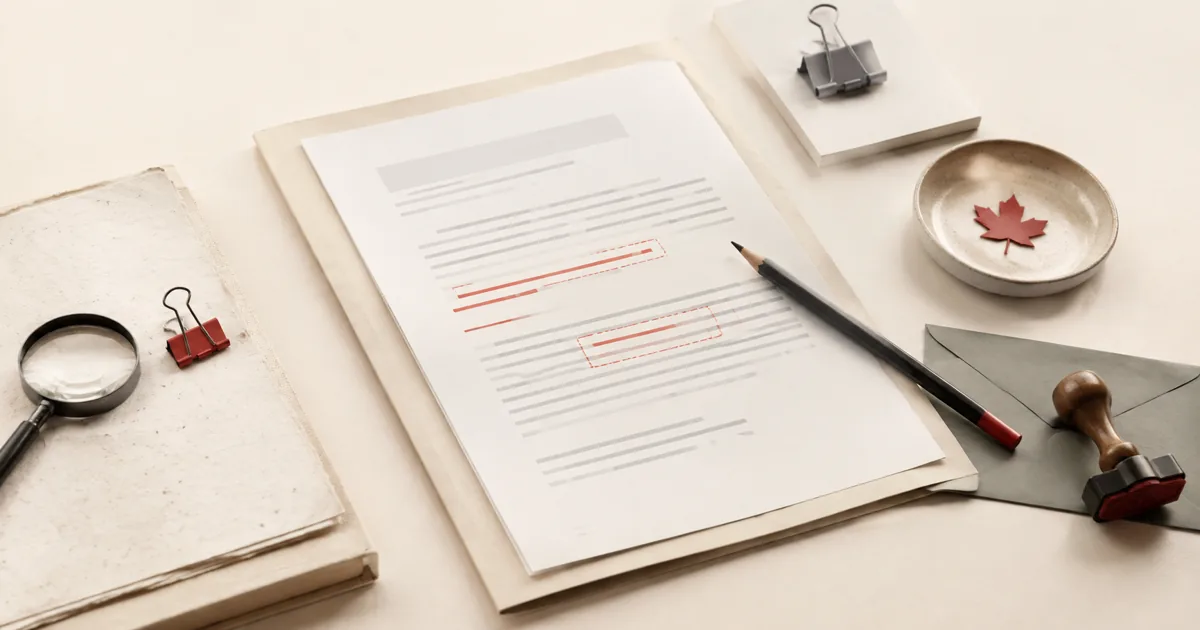
Choose Try a sample PDF to open a short example. Change a sentence and download it as PDF or Word. The same workspace opens when you choose your own PDF.
Make and save an edit
- Select your PDF and wait for the editing toolbar to become ready.
- Change the text and formatting. Review page breaks and tables before exporting.
- Choose Download DOCX for further editing or Download PDF for sharing.
- Open the downloaded copy and check a phrase you changed.
Choose the right workflow
This editor converts the document; it does not preserve every original page position. For rearranging pages without text conversion, use Organize PDF. For a signature image, use Sign PDF. Existing digital signatures and complex forms may require the original source application.
If a save fails
Keep the editor open and retry the download. Copy important new text into a local document before leaving if your connection is unreliable. Read the editing guide for the full workflow and the privacy policy for temporary session retention.
A practical document check
Try a sample before editing a complex document. Make a small text change, download the result, and search for the revised phrase.
Limits to account for
This Word-style editor converts the PDF. Forms and tightly arranged tables may change; editing a digitally signed document can invalidate the previous signature.
Verify the downloaded copy
Keep the editor open until you have a usable download. Compare the changed paragraph and nearby page breaks; save important new text locally if the connection fails.
For another worked-through workflow, read verify pdf before sharing. See the file handling and retention details before uploading sensitive documents.